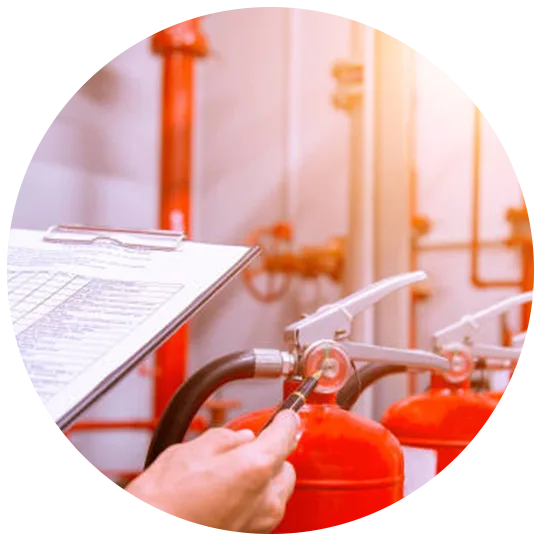
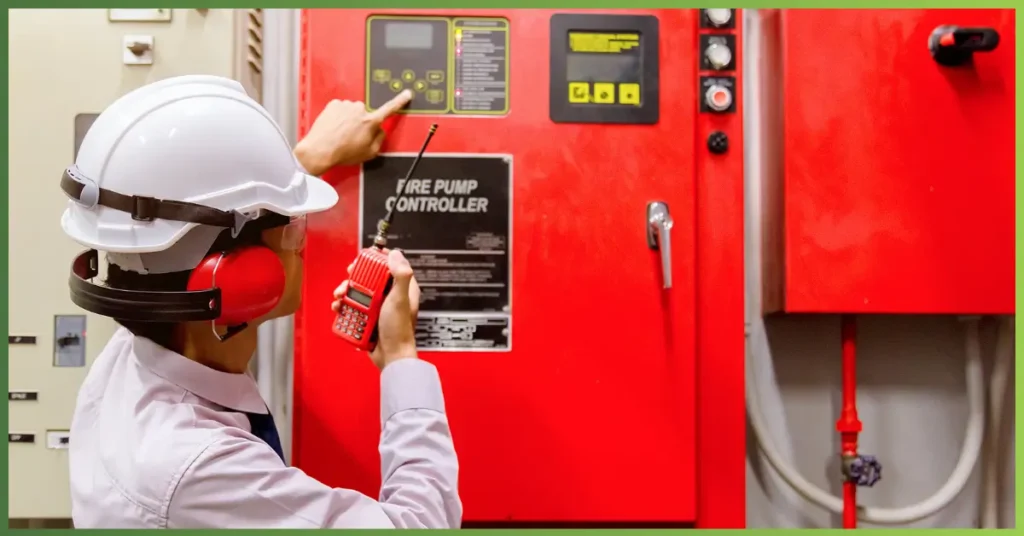
When it comes to fire safety equipment maintenance, the rule is simple: “If you don’t check it, you can’t trust it.”
Fire safety gear isn’t just red paint and metal parts; it’s your first line of defense when things go wrong and out of place; running an office, a warehouse, or even a ship? Regular servicing ensures everything works fine when you need it the most.
Reliable Fire Safety Maintenance
Professional servicing to keep your fire protection equipment ready when it matters most.

Table of Contents
ToggleWhat is Fire Safety Equipment?
Fire safety equipment is any tool or system designed to detect, control, or extinguish fires. Common examples include fire extinguishers, fire alarms, and sprinkler systems.
Fire protection is crucial both on land and sea. Even at sea, maintenance of portable fire extinguishers on ships is crucial. Your safety depends on the readiness of these tools.
Why Regular Servicing of Fire Safety Equipment is Essential
Skipping fire safety equipment maintenance is like not charging your phone and hoping it’ll last all day.
Here’s why it matters:
- Ensures your gear is in working order
- Keeps emergency exits and systems accessible
- Maintains compliance with safety laws
Recommended Service Frequency for Fire Safety Equipment Maintenance
Equipment Type | Recommended Frequency | Key Actions |
Fire Extinguishers | Monthly checks & annual servicing | Inspect pressure, seal, and accessibility monthly. Schedule full maintenance annually. |
Fire Alarm Systems | Weekly tests & annual inspections | Test alarms weekly for sound and response. Have a professional service them yearly. |
Emergency Lighting | Monthly tests & annual duration tests | Perform quick monthly function check.- Conduct full-duration test annually. |
Fire Doors | Quarterly inspections | Check for damage, closing speed, and seals. |
Monthly visual checks & annual maintenance | Look for leaks, blockages, or pressure drops. Include in your fire fighting system maintenance checklist. |
What Are the 7 Layers of Fire Safety?
Effective fire safety follows a multi-layered approach, often referred to as the 7 layers of fire safety:
Prevention
Avoid ignition sources and flammable materials
Detection
Install fire alarms and smoke detectors
Containment
Use fire doors and walls to prevent spread.
Suppression
Fire extinguishers, sprinklers, and suppression systems.
Escape
Clearly marked exits and emergency lighting
Rescue
Trained personnel and emergency plans
Recovery
Post-fire assessment and system repairs
Each layer plays a crucial role in minimizing damage and ensuring the safety of occupants.
What Are 5 Fire Safety Rules?
Simple fire safety rules save lives. Here are five essential rules every workplace should follow:
- Keep fire exits clear at all times.
- Inspect firefighting equipment regularly.
- Do not overload electrical circuits.
- Store flammable materials safely.
- Train employees on fire procedures.
Following these rules, along with regular maintenance, reduces the likelihood of fire-related accidents.
Signs Your Fire Safety Equipment Needs Immediate Attention
Don’t wait until it’s too late. Call for fire maintenance services if you notice:
- Low extinguisher pressure
- Fire alarms are not responding
- Damaged or misaligned fire doors
- Flickering emergency lights
- Rust or visible wear
Legal Responsibilities and Compliance
Whether you’re a landlord, business owner, or ship captain, the law holds you responsible.
Ignoring fire safety equipment maintenance can mean fines, lawsuits, or worse. Most fire codes demand documented inspections, often stored as a firefighting equipment maintenance schedule or an official checklist.
For detailed international standards, visit the National Fire Protection Association (NFPA) website.
GreenTech’s Role in Fire Safety Equipment Maintenance
GreenTech provides fire safety solutions in different cities of Pakistan. Our services include:
- Fire extinguisher maintenance and replacement
- Complete fire safety consultancy
- Fire Alarm & Fire Fighting System
- Earthing Lightning Protection
- Fire Suppression Systems
- Public Address Systems
When you search for fire system maintenance near me, you will find we are fast, reliable, and certified.
Basic Firefighter Equipment Names
Firefighters rely on specialized tools to combat fires and protect lives. Common firefighter equipment names include:
- Fire hose
- Fire extinguisher
- Fire helmet
- Fire-resistant clothing
- Breathing apparatus
- Fire axe
- Fire blanket
These items, combined with well-maintained firefighting equipment, ensure an effective response to emergencies.
Maintaining fire safety requires a combination of inspections, audits, schedules, and proper equipment. A well-documented fire safety program ensures all fire fighting equipment is ready when needed, helping businesses comply with regulations while protecting lives and property.
Fire Safety Inspections: What Businesses Should Know
Fire safety inspections are critical for every workplace, warehouse, or commercial building. These inspections are designed to identify hazards, verify compliance with safety regulations, and ensure that all firefighting equipment is in optimal working condition. Regular inspections help prevent small issues from escalating into life-threatening situations.
Key points businesses should consider during fire safety inspections:
- Verify operational readiness – Check all fire extinguishers, alarms, sprinklers, and emergency lighting.
- Compliance with regulations – Ensure your building meets local and national fire safety codes.
- Documentation – Keep a record of inspections, maintenance, and repairs.
- Employee awareness – Train staff to recognize hazards and operate firefighting equipment safely.
By maintaining a thorough inspection routine, businesses can minimize risks, protect assets, and save lives in emergencies.
Creating a Fire Safety Maintenance Schedule: Tips for Businesses
A fire safety maintenance schedule is a roadmap to ensure that all firefighting equipment is inspected, serviced, and replaced when necessary. Here’s how businesses can create an effective schedule:
- List all equipment – Include fire extinguishers, hydrants, sprinklers, alarms, and emergency lights.
- Define inspection frequency – Some equipment requires monthly checks, while others need annual servicing.
- Assign responsibilities – Designate trained personnel to conduct inspections and log results.
- Track maintenance history – Keep records of repairs, replacements, and audits.
- Update regularly – Revise the schedule if equipment is upgraded or regulations change.
The Role of Safety Audits in Identifying Hazards
Safety audits go beyond routine inspections by providing a detailed evaluation of fire risks. They identify hazards that may not be immediately visible, such as blocked exits, poorly maintained fire doors, or malfunctioning fire alarms.
Key benefits of regular safety audits:
Early detection of problems
Audits uncover hidden faults in fire fighting equipment before emergencies occur.
Risk assessment
Identify areas where fire hazards are highest and prioritize mitigation measures.
Regulatory compliance
Audits ensure your organization meets legal obligations and insurance requirements.
Continuous improvement
Create action plans to enhance overall fire safety practices.
When conducted periodically, safety audits ensure that your fire protection systems remain reliable and effective.
Frequently Asked Questions
Follow a fire safety equipment maintenance checklist: inspect, clean, test, log, and service on schedule.
It’s the regular checking, repairing, and servicing of all fire protection systems to keep them operational.
It’s ensuring all protective gear, including fire systems, is in working condition according to your fire fighting equipment maintenance schedule.
Wrapping Up
Fire safety equipment maintenance isn’t a “someday” job; it’s a “do it now” job. With the right fire safety equipment maintenance checklist, a planned firefighting equipment maintenance schedule, and reliable fire maintenance services, you can rest easy knowing you’re prepared.
Remember: even the best extinguisher will not help if it’s out of service. Whether on land or performing maintenance of portable fire extinguishers on ships, the principle is the same: check it, log it, and fix it when needed.
Fire Safety Equipment Maintenance You Can Trust
Get expert inspection, servicing, and compliance support for all your fire protection systems across Pakistan.