
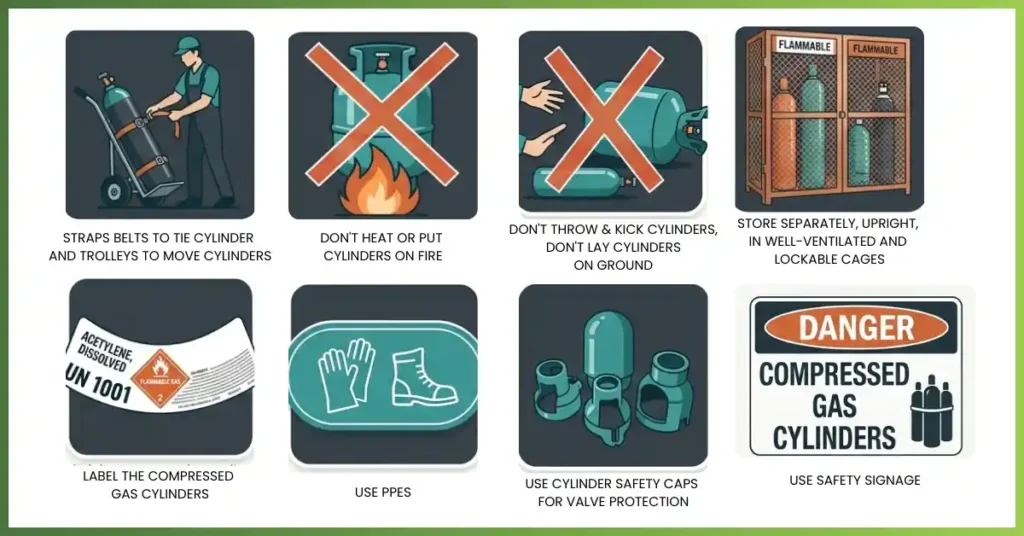
Gas cylinders, especially LPG and compressed gas cylinders, are widely used in homes, restaurants, and industrial settings across Pakistan.
While convenient, they pose a serious fire and explosion risk if not handled properly. Gas cylinder safety involves correct storage, usage, and regular inspection to prevent accidents.
Compressed gas cylinders are pressurized, and any leak or improper handling can cause catastrophic consequences.
That’s why understanding gas cylinder safety rules is critical for both households and commercial environments. For commercial setups in Pakistan, integrating a fire alarm system is a crucial safety measure.
GreenTech Solutions is a leading fire safety and protection company in Pakistan, trusted by homes, businesses, hospitals, warehouses, and industrial facilities for reliable and compliant safety systems.
Our goal is simple: to help your home or business stay protected, legally compliant, and fully prepared to respond to fire and gas-related emergencies with confidence.
What to Do If You Smell Gas?
If you suspect a gas leak:
- Do NOT turn on electrical switches.
- Do NOT use mobile phones near the leak.
- Immediately turn off the cylinder valve.
- Open doors and windows for ventilation.
- Evacuate the area.
- Call emergency services.
- Use a fire extinguisher only if the fire is small and manageable.
Don’t Wait for a Gas Leak to Become a Disaster.
Protect your home or business with certified fire alarm systems, gas leak detectors, and fire extinguishers from GreenTech.

What are Three Safety Rules for Gas Cylinders?
Proper safety procedures dramatically reduce accidents. Here are the top three rules:
Rule 1 – Proper Storage and Ventilation
Store gas cylinders upright in a ventilated area away from heat sources. Avoid enclosed spaces where leaked gas can accumulate.
Rule 2 – Safe Handling and Transportation
Use approved trolleys or carriers when moving cylinders. Never drag or roll them. Keep them secure during transportation to prevent falls or damage.
Rule 3 – Regular Inspection and Maintenance
Check cylinders for dents, corrosion, or leaks. Ensure regulators, safety caps, and valves are functioning correctly.
Gas cylinder safety devices, like safety valves and regulators, play a crucial role in preventing accidental gas release.
How to Safely Use a Gas Cylinder at Home?
Gas Cylinder Safety at Home – Step-by-Step Guide:
- Place the cylinder away from direct sunlight or hot appliances.
- Connect approved regulators and hoses and check for leaks using soapy water.
- Never leave a cylinder near electrical sparks or open flames.
LPG Gas Cylinder Safety Precautions for Kitchens
- Keep a fire extinguisher nearby.
- Install a gas leak detector for early warnings.
- Train all household members on emergency shutdown procedures.
Safe Installation of Gas Cylinder Safety Regulator
Always use a certified gas cylinder safety regulator and check it for wear and tear. Replace if damaged.
Gas Cylinder Safety Checklist for Homeowners
- Check hoses, valves, and caps weekly.
- Ensure cylinders are upright and ventilated.
- Keep flammable materials away.
Home vs Commercial Gas Cylinder Safety Comparison
Safety Measure | Home Use | Commercial Use |
Ventilation | Kitchen windows | Industrial ventilation systems |
Leak Detection | Gas leak detector | Addressable gas detection system |
Fire Protection | ABC fire extinguiser | Fire suppression & hydrant systems |
Staff Training | Family awareness | Formal fire drills |
Inspection Frequency | Weekly check | Daily operational checks |
Running a Restaurant, Warehouse, or Factory?
Ensure full LPG and fire safety compliance with GreenTech’s professional fire alarm, suppression, and emergency response systems.

Gas Cylinder Safety Regulations in Pakistan
In Pakistan, LPG distribution and cylinder safety are regulated by the Oil & Gas Regulatory Authority (OGRA). Businesses must ensure:
- Use of OGRA-approved LPG cylinders
- Certified regulators and valves
- Proper storage distances from ignition sources
- Compliance with local fire department regulations
Commercial kitchens and industrial setups must follow fire safety requirements under provincial building codes.
Non-compliance can result in:
- Heavy fines
- Business closure
- Criminal liability in case of accidents
For businesses, consulting certified fire safety experts ensures regulatory compliance and risk reduction.
Common Hazards of Gas Cylinders
Gas Leaks and Explosion Risks
Leaks can mix with air, causing fires or blasts, especially in enclosed kitchens.
Why Gas Cylinder Blast Happens
Overheating, tampering with regulators, or faulty valves often lead to catastrophic accidents.
Overheating and Pressure Build-Up
Direct sunlight or nearby heaters can increase cylinder pressure beyond safe limits.
Improper Storage and Fire Hazards
Storing cylinders near combustible materials or inside closed cabinets increases risk.
Acetylene Gas Cylinder Safety Risks
Special care is required for acetylene and other industrial gases.
Argon Gas Cylinder Safety Precautions
Industrial gases need secure storage and fire suppression systems in commercial setups.
Gas Cylinder Accident Statistics in Pakistan
Gas cylinder explosions remain a recurring issue across major cities.
- LPG-related incidents increase during winter due to heating usage.
- Improper refilling practices contribute significantly to accidents.
- Substandard cylinders are a major safety concern in urban areas.
These incidents highlight the importance of:
- Certified equipment
- Routine inspections
- Fire alarm and suppression systems
Hidden Danger: Illegal and Substandard LPG Cylinders
One of the biggest safety threats in Pakistan is the use of:
- Decanted LPG cylinders
- Expired cylinders
- Tampered safety valves
- Unauthorized refilling
These cylinders often lack:
- Pressure relief valves
- Quality-tested metal structure
- Proper sealing mechanisms
Always verify:
- Official company branding
- Valid inspection stamp
- No welding marks or visible tampering
Using uncertified cylinders significantly increases explosion risk.
Real-Life Gas Cylinder Accidents in Pakistan
Recent LPG Cylinder Blast in Karachi
In early 2026, a gas cylinder explosion in Karachi’s Saddar area damaged multiple shops and caused injuries. Reports suggest poor storage and a faulty regulator were contributing factors.
Case Study: Gas Cylinder Explosion in Lahore Kitchen
A domestic cylinder leak in Lahore’s Johar Town led to a kitchen fire. Quick use of a fire extinguisher minimized damage, highlighting the importance of fire safety equipment.
Lessons Learned from Past Gas Cylinder Fires
- Always inspect cylinders regularly.
- Avoid makeshift repairs.
- Install addressable fire alarm systems for early detection.
- Ensure proper earthing and lightning protection in commercial areas to prevent sparks.
LPG Gas Cylinder Safety Precautions for Commercial Use
Restaurant & Commercial Kitchen Safety
Install hood suppression systems and fire sprinklers near cooking areas. Train staff on emergency procedures.
Industrial Compressed Gas Cylinder Safety
Industrial setups should have fire hydrants, deluge systems, and special hazard systems in place.
Cylinder Gas Storage in Warehouses
- Proper ventilation and separation of cylinders.
- Access to fire pumps and fire extinguishers.
Essential Gas Cylinder Safety Devices
- Gas Cylinder Safety Regulator – Prevents overpressure.
- Gas Cylinder Safety Valve – Automatically shuts off leaks.
- Gas Cylinder Safety Device – Detects early leaks.
- Gas Cylinder Safety Grill – Prevents accidental impact.
- Gas Leak Detection Systems – Alert for hazardous leaks.
Integrating a public address system or audio-video system in commercial areas ensures everyone is notified during emergencies.
Gas Cylinder Safety Checklist (For Homes & Businesses)
- Daily Inspection: Hoses, regulators, valves, and cylinder condition.
- Monthly Safety Review: Fire safety drills, leak detection, and staff training.
- Emergency Response Planning: Accessible fire extinguishers, alarm systems, and evacuation routes.
Early Detection Saves Lives and Property
Upgrade your safety infrastructure with advanced fire alarms, gas detection systems, and extinguishers installed by GreenTech experts.

Which Gas is Used in a Cylinder for Cooking?
LPG (Liquefied Petroleum Gas) is the most common. It is a flammable mixture of propane and butane. Using certified cylinders with proper regulators and safety devices is mandatory to prevent hazards.
Why Fire Safety Equipment is Essential with Gas Cylinders
A small gas leak can quickly turn into a life-threatening emergency without the right protection in place.
Reliable fire alarms detect danger early, fire extinguishers control flames before they spread, and advanced fire suppression systems help protect lives, property, and business continuity.
At GreenTech Solutions, we provide certified fire alarm systems, extinguishers, and complete fire protection solutions designed to safeguard environments where gas cylinders are in use.
Importance of Fire Extinguishers Near LPG Cylinders
Install fire extinguishers in key areas for quick response.
Fire Alarm Systems for Gas Leak Detection
Use fire alarm systems to detect gas leaks and prevent disasters.
Emergency Evacuation Planning
Evacuation routes and public address systems save lives during emergencies.
Compliance with Fire Safety Regulations in Pakistan
Follow fire safety laws and consult fire safety consultants for compliance.
Financial & Legal Risk for Businesses
For restaurants, warehouses, and factories:
A single LPG explosion can result in:
- Property damage worth millions
- Business shutdown
- Employee injury compensation claims
- Insurance disputes
- Legal action under negligence laws
Insurance companies may deny claims if:
- Safety systems were not installed
- Maintenance records are missing
- Non-certified cylinders were used
At GreenTech Solutions, we help businesses minimize these risks with certified fire alarm systems, fire suppression solutions, and professional maintenance services. Protect your assets. Protect your people. Partner with GreenTech for complete fire safety compliance and peace of mind.
FAQs About Gas Cylinder Safety
Proper storage, safe handling, and regular inspection.
Install regulators, keep away from heat sources, and inspect regularly.
Measures to prevent leaks, explosions, and fire hazards.
Leaks, blasts, overheating, and improper storage.
Faulty valves, overheating, and gas leaks in confined spaces.
LPG (propane and butane mix).
Conclusion
Gas cylinders are essential for daily life and business operations across Pakistan, but they come with serious risks if safety measures are ignored.
From proper storage and certified regulators to routine inspections and emergency planning, every step matters.
At GreenTech Solutions, we specialize in complete fire protection solutions, including advanced fire alarm systems, fire suppression systems, gas leak detection, extinguishers, and emergency evacuation support.
Our expert team ensures your home or business remains compliant, protected, and prepared.
Don’t wait for an accident to take action. Secure your safety infrastructure today with GreenTech—because when it comes to gas cylinder safety, protection isn’t an option; it’s a responsibility.
