
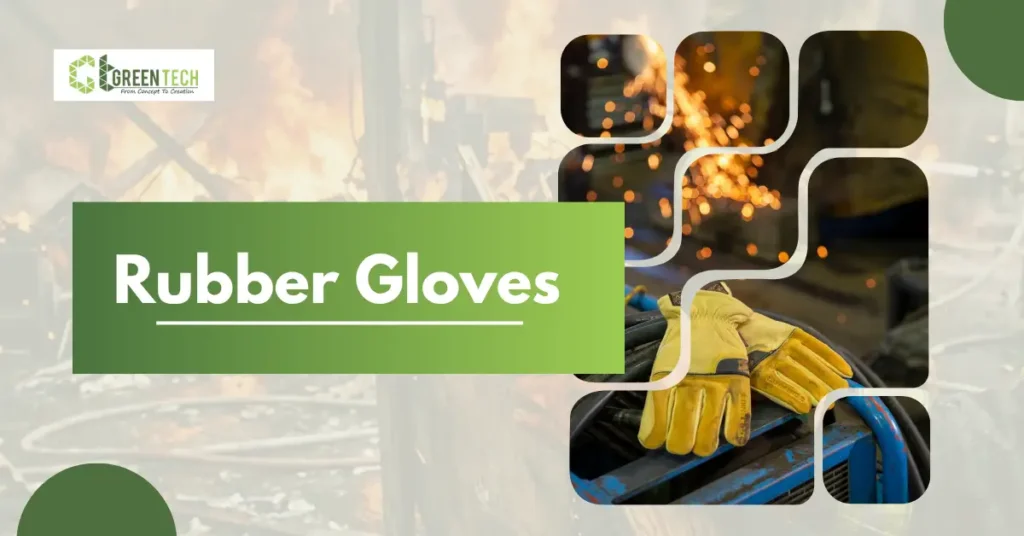
Rubber gloves are an essential part of personal protective equipment (PPE) used across homes, healthcare, and industrial sectors. Whether you need rubber gloves for cleaning, medical use, or electrical safety, choosing the right type is critical for protection and performance.
GreenTech, being the fire safety experts and professionals, shares expert-backed insights drawn from real-world fire safety and industrial protection experience.
In this complete 2026 guide by GreenTech, we cover everything from types and materials to rubber gloves price in Pakistan, safety standards, and buying tips.
Table of Content
ToggleWhat Are Rubber Gloves?
Rubber gloves are protective gloves designed to protect hands from chemicals, germs, heat, electricity, and physical hazards. They are widely used in healthcare supplies, cleaning supplies, and industrial safety equipment
What Are Rubber Gloves Made Of?
Rubber gloves are made from different materials depending on their application:
- Natural rubber (latex gloves)
- Synthetic rubber (nitrile gloves, butyl gloves)
- PVC (vinyl gloves)
- Neoprene and silicone blends
Each material offers unique benefits like flexibility, chemical resistance, or durability.
What Are Rubber Gloves Used For?
Rubber gloves are used in multiple industries and daily tasks:
- Household cleaning and dishwashing
- Medical and surgical procedures
- Chemical handling
- Electrical work (insulated rubber gloves) such as in earthing lightning protection work
- Industrial manufacturing
They are essential hand protection products that reduce exposure to hazards.
What Do Different Rubber Glove Colors Mean?
- Blue: Medical use
- Black: Industrial use
- Yellow/Pink: Household cleaning
Types of Rubber Gloves (Complete Guide)
While rubber gloves are just one part of a broader fire safety ecosystem, they work alongside essential PPE and safety equipment such as safety shoes, fire blankets, and metal detectors to reduce risks across workplaces.
Understanding how these components function together is crucial in preventing hazards, ensuring compliance, and maintaining a safe and well-protected environment.
The different types of rubber gloves are:
- Latex Gloves
Made from natural rubber, latex gloves offer excellent flexibility and comfort. Common in medical use but may cause allergies. - Nitrile Gloves
Nitrile gloves are latex-free, durable, and resistant to chemicals. Ideal for medical and industrial use. - Vinyl Gloves
Vinyl gloves are cost-effective and suitable for low-risk tasks like food handling. - Disposable Rubber Gloves
Single-use disposable gloves used in healthcare and hygiene-sensitive environments. - Heavy-Duty Rubber Gloves
Thick and durable gloves for industrial work and heavy cleaning tasks. - Insulated Rubber Gloves (Electrical Safety)
Used by electricians to protect against electric shocks. These are tested for voltage resistance. - Butyl Rubber Gloves (Chemical Protection)
Highly resistant to gases and harsh chemicals, ideal for laboratories and hazardous environments.
Rubber Gloves vs Latex vs Nitrile vs Vinyl
Type | Durability | Allergy Risk | Best Use |
Latex | High | High | Medical use |
Nitrile | Very High | Low | Industrial & medical |
Vinyl | Low | None | Food handling |
Rubber | Medium | Medium | Cleaning & general use |
Disposable vs Reusable Rubber Gloves
- Disposable rubber gloves: Single-use, hygienic, used in medical and food industries
- Reusable gloves: Durable, used for cleaning and industrial tasks
Powdered vs Powder-Free Rubber Gloves
- Powdered gloves: Easier to wear
- Powder-free gloves: Safer for sensitive skin and medical use
Best Rubber Gloves by Use Case (Quick Comparison)
Use Case | Best Gloves | Why |
Cleaning | Heavy-duty rubber gloves | Durable and reusable |
Medical | Nitrile gloves | Latex-free and hygienic |
Food Handling | Vinyl gloves | Safe and cost-effective |
Electrical Work | Insulated rubber gloves | Shock protection |
Chemical Handling | Butyl or nitrile gloves | High chemical resistance |
Rubber Gloves for Different Applications
- Rubber Gloves for Cleaning
Used for household cleaning and protection from chemicals. - Rubber Gloves for Dishwashing
Waterproof and durable for kitchen use. - Medical Rubber Gloves
Includes surgical gloves and medical gloves for hygiene and infection control. - Industrial Rubber Gloves
Heavy-duty gloves for construction and manufacturing. - Rubber Gloves for Chemical Handling
Chemical-resistant gloves like nitrile and butyl. - Rubber Insulated Gloves for Electrical Work
Essential for electrical safety and maintenance work.
Best Rubber Gloves for Different Needs
- Cleaning: Thick rubber gloves with grip
- Medical: Nitrile or latex-free gloves
- Electrical: Insulated rubber gloves
- Chemical: Butyl or nitrile gloves
Industries That Use Rubber Gloves
- Healthcare
- Food processing
- Manufacturing
- Construction
- Fire safety and electrical, thermal services
What Are Category 3 Gloves?
Category 3 gloves are high-risk PPE gloves designed to protect against serious hazards like chemicals, extreme temperatures, and electrical risks. These are commonly used in industrial environments
Safety Standards & Certifications
- International Safety Standards (EN, ASTM, ISO)
Rubber gloves must comply with global and national standards of fire safety to ensure safety and quality. - Electrical Glove Classes (Class 00–4)
- Class 00: Low voltage
- Class 4: High voltage protection
Importance of Rubber Gloves in Fire Safety & Electrical Work
Rubber gloves play a key role in fire safety and electrical protection by preventing burns, shocks, and chemical exposure. They are essential for safety professionals.
Rubber Glove Thickness & Protection Levels
Thickness is measured in mils:
- Thin (3–5 mil): Disposable gloves
- Medium (6–8 mil): General use
- Thick (9+ mil): Heavy-duty industrial gloves
What Gloves Are Best for Sensitive Skin?
For users with allergies or sensitive skin:
- Choose nitrile gloves (latex-free)
- Avoid powdered gloves
- Use hypoallergenic options
These gloves reduce the risk of irritation and allergic reactions.
What Are Rubber Gloves Also Called?
Rubber gloves are commonly known as:
- Hand protection gloves
- Safety gloves
- Protective gloves
- PPE gloves
- Work gloves
These terms are often used interchangeably in different industries.
How to Choose Rubber Gloves?
Consider the following:
- Purpose (cleaning, medical, industrial)
- Material (latex, nitrile, vinyl)
- Thickness
- Size and fit
- Safety certifications
What Sizes Do Rubber Gloves Come In?
Rubber gloves are available in:
- Small (S)
- Medium (M)
- Large (L)
- Extra Large (XL)
Rubber Gloves Price in Pakistan (2026 Guide)
The rubber gloves price in Pakistan varies based on type and quality. Prices may vary on platforms like Daraz and local suppliers.
Type of Gloves | Price Range (PKR) | Description |
Disposable Gloves | 800 – 2,500 / box | Ideal for medical, food handling, and hygiene use |
Household Gloves | 200 – 800 | Used for cleaning and domestic tasks |
Heavy-Duty Gloves | 500 – 2,000 | Durable gloves for industrial and chemical work |
Insulated Gloves | 5,000 – 25,000 | High-voltage protection for electrical safety |
Rubber Gloves Price in Pakistan – City Wise Overview
The rubber gloves price in Pakistan can vary depending on the city, supplier, and quality.
- Karachi: Lower prices due to bulk industrial suppliers and ports
- Lahore: Competitive pricing in wholesale medical and safety markets
- Islamabad: Slightly higher prices due to premium suppliers and corporate demand
For businesses, bulk purchases significantly reduce per-unit cost, especially for industrial safety equipment and healthcare supplies.
Where to Buy Rubber Gloves in Pakistan
You can buy rubber gloves from:
- Safety equipment suppliers
- Medical stores
- Online marketplaces
- Industrial equipment providers
Important Note: Price Overview
In Pakistan, basic household rubber gloves typically cost around PKR 200 to 800, making them affordable for daily cleaning tasks. Disposable gloves, commonly used in medical and hygiene settings, range between PKR 800 to 2,500 per box depending on quality and brand.
For industrial use, heavy-duty rubber gloves are priced between PKR 500 and 2,000, offering better durability and protection.
Meanwhile, specialized insulated rubber gloves for electrical and fire safety applications are more expensive, ranging from PKR 5,000 to 25,000, due to their high safety standards and certification requirements.
Prices may vary across cities like Karachi, Lahore, and Islamabad, and on platforms such as Daraz or local PPE suppliers.
Safety Regulations for Rubber Gloves in Pakistan
Rubber gloves used in industries must comply with:
- PPE regulations
- Workplace safety standards
- Electrical safety compliance
Advantages and Disadvantages of Rubber Gloves
Advantages:
- Protection from hazards
- Affordable
- Widely available
Disadvantages:
- May cause allergies
- Limited durability (disposable gloves)
Can Rubber Gloves Be Reused?
Reusable gloves can be reused after proper cleaning, while disposable gloves should not be reused.
How to Properly Clean Rubber Gloves
- Wash with mild soap
- Rinse thoroughly
- Air dry completely
Common Mistakes to Avoid
- Reusing disposable gloves
- Using wrong glove type
- Ignoring size and fit
Expert Insight – GreenTech Safety Recommendation
Reviewed by Fire & Industrial Safety Experts at GreenTech
At GreenTech, we recommend selecting rubber gloves based on risk level, work environment, and compliance standards. All gloves used in industrial and electrical applications should meet international certifications such as:
- EN standards
- ASTM compliance
- NFPA safety guidelines
Proper glove selection significantly reduces workplace accidents and improves safety performance.
Ensure Compliance, Prevention & Peace of Mind
Don’t wait for risks to turn into disasters—consult GreenTech’s fire safety experts for tailored solutions and complete safety compliance.

Which Gloves Are Best for Chemicals?
Choosing the right gloves for chemical handling is critical:
- Acetone: Nitrile gloves
- Strong acids: Butyl rubber gloves
- Oils and solvents: Nitrile gloves
- Gas exposure: Butyl gloves
Always check chemical compatibility charts before use to ensure maximum protection.
Environmental Impact of Rubber Gloves in Pakistan
Rubber gloves contribute to environmental waste, especially disposable gloves.
- Latex gloves are biodegradable but take time
- Nitrile and vinyl gloves are non-biodegradable
- Improper disposal increases pollution
Businesses should adopt responsible disposal practices and consider reusable gloves where possible.
Bulk Purchase Guide for Businesses
For companies looking to buy in bulk:
- Choose industrial-grade gloves
- Verify certifications
- Compare supplier reliability
- Calculate long-term cost vs durability
Bulk purchasing is ideal for fire safety of factories, hospitals, and building construction companies.
Conclusion
Rubber gloves are a vital part of safety across industries. From medical gloves to heavy-duty rubber gloves, choosing the right type ensures maximum protection. Understanding materials, standards, and pricing helps you make the best decision in 2026.
FAQs: Rubber Gloves in Pakistan
Nitrile gloves are best as they are latex-free and hypoallergenic.
Yes, nitrile gloves are more durable and suitable for users with latex allergies.
Avoid using gloves when:
- They are damaged
- Handling high-risk chemicals without proper rating
- Allergic reactions occur
Yes, vinyl and nitrile gloves are safe for food handling when certified for food use.
High-risk PPE gloves designed for serious hazards like chemicals and heat.
Prices range from PKR 200 to PKR 25,000 depending on type.
Thick, reusable rubber gloves with grip are best.
Latex gloves are made from natural rubber, while rubber gloves include multiple materials like nitrile and vinyl.
Yes, latex gloves may cause allergic reactions. For sensitive skin, choose latex-free rubber gloves like nitrile.
Yes, most gloves have a shelf life of 3–5 years depending on material and storage conditions.
Expert Review & Safety Compliance
This guide is developed with insights from experienced safety professionals at GreenTech, a trusted provider of fire protection and industrial safety solutions in Pakistan.
Our recommendations align with internationally recognized standards, including EN, ASTM, ISO, and NFPA safety guidelines, ensuring accurate and reliable information.
We emphasize proper selection of personal protective equipment (PPE) based on real-world industrial, healthcare, and electrical safety requirements.
All content is regularly updated to reflect the latest safety practices, compliance regulations, and market trends in Pakistan.
