
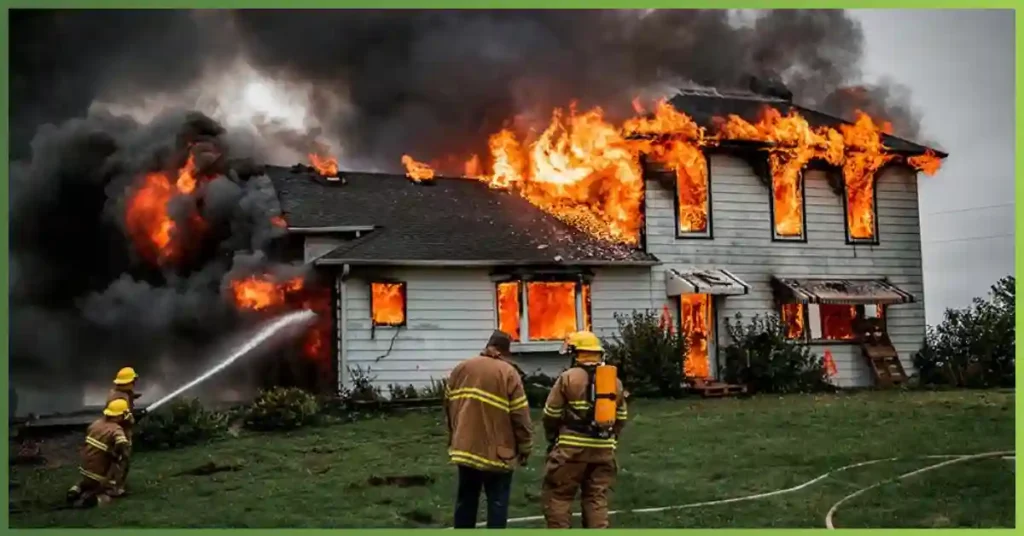
Fire accidents at home can happen anytime. In Pakistan, many homes are at risk due to poor wiring, gas leaks, or a lack of awareness. That is why knowing home fire safety tips is very important. These simple steps can save lives, protect property, and give peace of mind.
Table of Content
ToggleWhy Home Fire Safety Matters
Home is where we feel safe. However, a minor error can result in a major fire.. In Pakistan, cases of fire in homes are often reported due to gas stoves, short circuits, or candles. Following home fire safety tips can reduce these risks.
Read more about fire safety laws in Pakistan.
10 Fire Safety Tips at Home
Here are 10 fire safety tips at home that every family should follow:
| Fire Safety Tip | Why It’s Important |
| Install smoke alarms | Gives early warning and saves lives |
| Keep fire extinguishers in key places | Helps control small fires before they spread |
| Get wiring checked regularly | Prevents short circuits and electrical fires |
| Practice safe cooking | Reduces risk of kitchen fires |
| Create a fire escape plan | Ensures the whole family knows how to exit safely |
| Inform kids about the dangers of fire. | Keeps kids from playing with fire or matches |
| Store gas cylinders safely | Prevents dangerous gas leaks and explosions |
| Keep candles away from curtains | Stops accidental fires from spreading quickly |
| Do not overload sockets | Avoids overheating and electrical sparks |
| Call Rescue 1122 immediately | Gets professional help fast in an emergency |
What to Do During a Fire at Home
People frequently panic when a fire starts. This makes the situation worse. Knowing what to do during a fire at home can save lives and reduce damage.
- Stay calm and alert others
Do not panic. Shout to warn family members and neighbors. Staying calm helps you make better decisions. - Call emergency services
Dial 16 (Rescue 1122) in Pakistan immediately. Give them your address clearly. The faster you call, the quicker they arrive. - Use a fire extinguisher if possible
If the fire is small, try to control it with a fire extinguisher. Learn how to use it before an emergency. Do not waste time if the fire spreads. - Evacuate the house quickly
Leave everything behind. Saving lives is more important than saving items. Help children and elders exit safely. - Crawl low to avoid smoke
Smoke rises up. Crawling close to the floor gives you cleaner air to breathe. Cover your nose and mouth with a cloth if possible. - Never use the lift
Lifts can stop working during a fire. Always use the stairs to escape.
For detailed global standards, check National Fire Protection Association.
5 Ways to Prevent Fire at Home
Fire prevention is better than cure. Here are 5 ways to prevent fire at home:
- Switch off appliances after use.
- Turn off gas stoves properly.
- Replace damaged wires.
- Store flammable items safely.
- Avoid smoking inside the house.
Home Fire Safety Checklist
A home fire safety checklist helps families stay prepared:
| Safety Item | Why It’s Important |
| Smoke alarms installed? | Install smoke alarms in bedrooms, hallways, and the kitchen. Test them every month to make sure they work. |
| Fire extinguisher available? | Keep at least one extinguisher in the kitchen and one near living areas. Learn how to use them properly. |
| Escape plan practiced? | Make an evacuation plan with two exit routes. Practice fire drills at least twice a year with all family members. |
| Gas cylinders placed outside? | Always store LPG cylinders outside in a ventilated space. Check for leaks and replace old pipes. |
| Emergency numbers noted? | Write down numbers for Rescue 1122, the fire brigade, and nearby hospitals. Place the list near the phone and save in mobile phones. |
For professional guidance, contact fire safety experts.
Fire Safety Tips: Workplace vs. Home
Fire safety is important not just at home but also at offices. While this blog focuses on home fire safety tips, workplaces also need strong measures. Following fire drills and workplace training ensures safety for employees. If you are interested in fire safety tips for the workplace, most rules are similar: install alarms, train staff, and keep extinguishers ready.
Fire Safety Tips for Students
Students, especially those living in hostels or apartments, must also follow fire safety tips for students:
- Do not play with matches or lighters.
- Never leave cooking unattended.
- Know the fire exit routes.
- Take part in fire drills.
- Keep emergency contacts saved in your phone.
Home Fire Safety Kit: What Every Household Needs
Having the right tools ready before an emergency happens is just as important as knowing what to do during one. A basic home fire safety kit should include:
- A working fire extinguisher (ideally a multi-purpose ABC type suitable for kitchens, electrical fires, and general household fires)
- A fire blanket for smothering small kitchen or stove fires — see current fire blanket prices before buying one
- Smoke alarms in every bedroom, hallway, and kitchen, with spare batteries on hand
- A torch/flashlight in case of power cuts during an emergency
- Protective footwear, so you’re not caught barefoot on broken glass or hot debris — check safety shoes prices for options
- A whistle or alarm to alert neighbors if phone lines are down
- A written list of emergency contacts (Rescue 1122, nearest hospital, family members)
Keep this kit in an easily accessible spot, ideally near the main exit, so no one has to search for it during a real emergency.
Your Family's Safety Starts With One Simple Step
Talk to our team and get the right extinguishers, alarms, and safety systems for your home.

Kitchen Fire Safety Tips (Most Common Fire Risk at Home)
The kitchen is where most household fires start in Pakistan, usually from unattended stoves, cooking oil, or gas leaks. A few habits make a big difference:
- Never leave cooking food unattended, especially when frying with oil.
- Keep flammable items — dish towels, paper, curtains — away from the stove.
- Turn pot handles inward so they can’t be knocked over.
- Keep a fire blanket or extinguisher within reach of the cooking area.
- If oil catches fire, never use water — smother it with a lid or fire blanket instead.
Since cooking is the leading cause of home fires, read our full guide on kitchen safety for a more detailed breakdown of prevention steps.
Gas Cylinder Safety Guidelines for Homes
LPG cylinders are common in Pakistani homes and, when handled carelessly, are a major fire and explosion risk. Follow these basics:
- Always store cylinders upright, outside the kitchen, in a ventilated area.
- Check rubber pipes and regulators regularly for cracks or leaks — replace them every 1–2 years.
- Never place cylinders near stoves, heaters, or direct sunlight.
- If you smell gas, don’t switch on any electrical appliance or light a flame — shut the valve, ventilate the room, and leave.
- Have your gas connection inspected periodically by a professional.
For a complete breakdown of safe storage, leak detection, and cylinder placement, check our detailed guide on gas cylinder safety.
Understanding Fire Extinguisher Classes for Home Use
Not every extinguisher works on every type of fire, and using the wrong one can make things worse. Fire extinguishers are classified by the type of fire they’re designed to fight:
- Class A — ordinary combustibles like wood, paper, and cloth
- Class B — flammable liquids like cooking oil, petrol, and paint
- Class C — electrical fires (wiring, appliances)
- Class K — kitchen fires involving cooking oils and fats
For most Pakistani homes, a multi-purpose ABC extinguisher covers the majority of risks. Read what is a fire extinguisher class for a full explanation of which type suits which fire, so you can choose correctly for your kitchen or living room.
Fire Alarm Systems for Homes and Buildings
Smoke alarms are a good first step, but a connected fire alarm system offers much stronger protection, especially for larger homes, duplexes, or apartment buildings.
If you’re upgrading your home’s detection setup, explore our dedicated fire alarm system for house solutions, built specifically for residential use. For larger homes or multi-unit buildings, a full fire alarm system for building offers centralized detection and faster alerts across every floor, so a fire in one unit doesn’t go unnoticed elsewhere.
For added early-warning coverage, especially in areas prone to open flames like kitchens or garages, some homeowners now pair standard smoke alarms with a flame ionization detector, which detects fires faster than smoke-based sensors alone.
Home Security & Alarm Systems: An Extra Layer of Protection
Fire safety and home security often go hand in hand. A well-protected home addresses both risks together.
If you live in Lahore, pairing smoke detectors with a professional security alarm system in Lahore adds protection against both fire and intrusion, giving you round-the-clock peace of mind. If you’re improving home security at the same time, it also helps to know current metal detector prices in Pakistan for entry-point screening, particularly useful for gated homes or properties with domestic staff.
Enhance Your Home Fire Safety!
Stay prepared, stay alert, and protect what matters most, your family and your home.

FAQs: Home Fire Safety
Install alarms, keep extinguishers accessible, check wiring, cook safely, plan an escape route, educate kids, store gas cylinders safely, keep flames away from curtains, avoid overloading sockets, call Rescue 1122.
Prevent (remove hazards), Detect (alarms), Contain (close doors, use extinguishers on small fires), Evacuate (use your escape plan), Call for help (Rescue 1122).
Never leave cooking or candles unattended, keep flammables away from heat sources, test smoke alarms monthly, never use a lift during a fire, and know two exit routes from every room.
Test smoke alarms once a month and replace the batteries at least once a year, or immediately if the alarm starts chirping.
Stop moving, drop to the ground, and roll to smother the flames. Running makes fire spread faster.
No. Water causes hot oil to splatter and spread the fire. Use a fire blanket, a lid, or a Class K/ABC extinguisher instead.
At least one in the kitchen and one near the main living area or exit. Larger homes should have one on each floor.
Rescue 1122 is Pakistan’s emergency response service. Dial 1122 (or 16 in some regions) and give your exact address and a brief description of the fire.
Yes. Tenants should install smoke alarms if the landlord hasn’t, know the building’s exit routes, and keep at least one extinguisher, regardless of ownership status.
Never puncture or throw it in regular trash. Contact the manufacturer or a certified fire safety company for safe disposal or refilling.
Final Thoughts
Fire safety is not only for offices or factories. Every Pakistani home needs a safety plan. By following these home fire safety tips, you can make your home safer. Use a home fire safety checklist, keep alarms and extinguishers, and teach your family about fire prevention.
A small step today can prevent a big tragedy tomorrow. Talk to your children about fire risks, guide your elders on escape routes, and check your home regularly for hazards. Remember, safety is a habit, not just a one-time action.
